

Kids can have growth spurts at several stages of childhood, but the fastest and most noticeable periods of growth usually occur during infancy and puberty.
If you’re wondering when do kids have growth spurts, the answer isn’t the same for every child because growth is influenced by genetics, nutrition, hormones, overall health, and the timing of puberty.
During a period of rapid growth, you may notice your child becoming taller, outgrowing clothes and shoes, eating more, sleeping differently, or experiencing energy changes. These changes can sometimes seem to happen overnight, even though childhood growth actually takes place gradually over time.
Understanding common growth spurt ages, the signs of faster growth, and the difference between normal variation and concerning changes can help parents better understand their child’s growth pattern.
You can also read: Toddler Growth Spurts: Ages, Signs & What to Expect
Key Takeaways:
- When do kids have growth spurts? Children grow rapidly during several stages, especially infancy and puberty, although the exact timing varies from child to child.
- The most noticeable growth spurt usually occurs during puberty, when changes in height, weight, and body development become more rapid.
- Common signs can include increased appetite, changes in sleep patterns, growing pains, and suddenly outgrown clothes or shoes.
- Growth spurts in boys and girls don’t usually happen at the same age. Girls often begin their major pubertal growth earlier than boys.
- A child’s growth should be considered as a growth pattern over time, rather than judging development from a single height or weight measurement.
- If you notice unusual changes in your child’s growth, persistent pain, or other concerning symptoms, talking with a pediatrician can help determine whether further evaluation is needed.
What Are Growth Spurts And How Do They Affect Your Child?
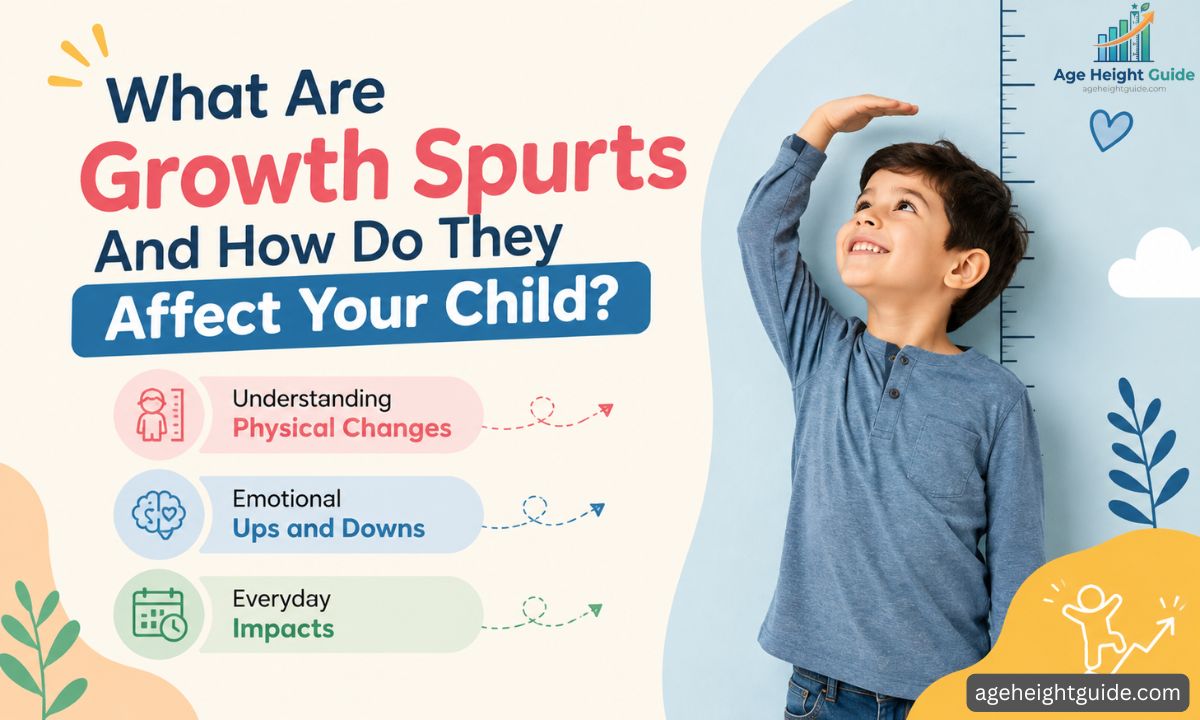
A growth spurt is a period when a child’s body grows faster than it normally does. During these phases, you may notice changes in height, weight, appetite, sleep, and physical development.
Growth doesn’t happen at the same rate every day, so a child may seem unchanged for a while and then appear noticeably taller over a relatively short period.
If you’re wondering when do kids have growth spurts, it’s important to remember that there isn’t one exact schedule for every child. Growth spurts in children can occur during infancy, early childhood, and most noticeably during puberty. Genetics, nutrition, hormones, overall health, and the timing of puberty can all influence a child’s individual growth pattern.
Understanding Physical Changes
During periods of rapid growth, bones and other body tissues develop as part of normal childhood growth. You may notice that your child’s pants seem shorter, shoes become tight, or their height changes noticeably between measurements.
Children may also experience temporary changes in coordination as their bodies adjust to changing proportions.
A faster rate of growth doesn’t necessarily mean something is wrong. What matters most is how your child grows over time and whether their height and weight generally follow their expected growth pattern.
Emotional Ups and Downs
Physical development can affect a child’s mood, energy, and behavior. If you’re wondering when do kids have growth spurts, remember that tiredness, hunger, or sensitivity can have many causes. Consistent routines, healthy meals, and reassurance can help.
Everyday Impacts
Growth can show up in surprisingly practical ways. Clothes may stop fitting properly, shoes may suddenly feel uncomfortable, and your child may need more food or rest than usual.
This is especially useful when you’re trying to understand when do kids have growth spurts and how your child’s development compares with their own previous growth pattern.
At What Age Do Growth Spurts Happen Most Frequently?

If you’re asking when do kids have growth spurts, there isn’t one specific age that applies to every child. Children grow at different rates, and the timing of a growth spurt can vary based on genetics, overall health, and the onset of puberty.
Infancy: The First Year
The first year is one of the fastest periods of physical growth. Babies gain length and weight quickly, and parents may notice changes in clothing, feeding, and sleep.
Instead of focusing on one specific infant growth spurt, look at your baby’s overall growth pattern. Regular measurements of length, weight, and head circumference help track healthy development.
Early Childhood: Ages 2 to 5
After infancy, child growth usually becomes slower and steadier. Toddlers and preschoolers continue gaining height and weight, though changes may be less noticeable.
You may still see occasional growth spurts, such as clothes becoming short or shoes no longer fitting. The timing varies from child to child.
Middle Childhood: Ages 6 to 11
During the school years, children usually have a steady rate of height growth. Some may still experience brief growth spurts, but these are generally less noticeable than the growth spurt during puberty.
Tracking height every few months gives a better picture of your child’s growth velocity than measuring daily.
Preteens and Adolescents: Puberty Years
The most significant growth spurt after infancy usually happens during puberty. Girls often begin their major growth earlier than boys, but every child develops at a different pace.
During puberty, children may gain height quickly along with other physical changes. The timing depends more on the child’s stage of puberty than their exact age.
So, when do kids have growth spurts most noticeably? For many children, it’s during puberty. A healthcare provider can use growth charts to assess whether a child’s growth pattern is progressing normally.
| Growth Stage | Typical Age | What Parents May Notice | |
| Infancy | Birth–1 year | Fast height and weight gain | |
| Early Childhood | 2–5 years | Steady growth | |
| Middle Childhood | 6–11 years | More consistent height gain | |
| Puberty | Varies | Faster height and body changes |
Do Growth Spurts Happen Overnight? The Science Of Sleep & Stature
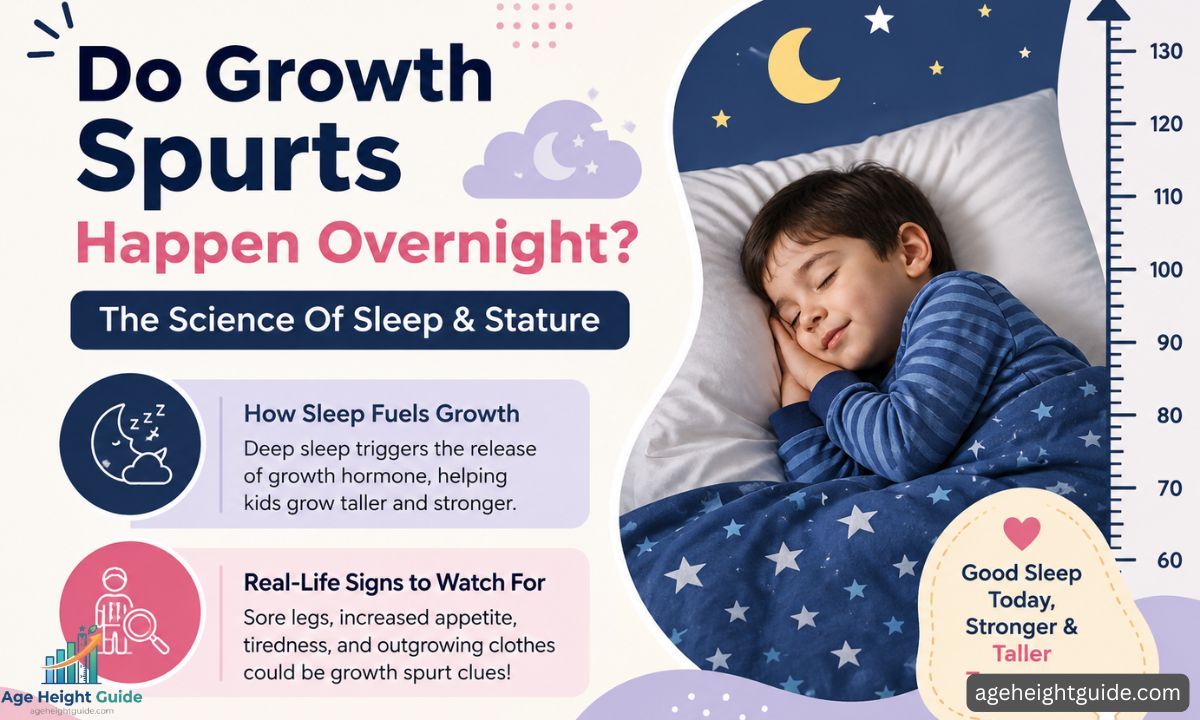
It can certainly feel like kids grow overnight. One day their clothes fit perfectly, and a short time later their sleeves look shorter, or their shoes feel tight. However, children don’t literally gain a large amount of height in a single night. Growth happens gradually, even when the changes become noticeable very quickly.
If you’re wondering when do kids have growth spurts, it’s also useful to understand how sleep and growth are connected. The body carries out many important growth and repair processes while a child is resting, and growth hormone is released in pulses, with significant secretion occurring during sleep.
How Sleep Fuels Growth
Sleep is essential for child development, tissue repair, and healthy growth. The body releases growth hormone in pulses, especially during deep sleep.
Children don’t suddenly grow several inches overnight. Instead, quality sleep supports steady growth over time. An age-appropriate sleep routine can help support normal development.
Real-Life Signs to Watch For
Parents may notice signs of rapid growth, such as needing larger clothes, increased appetite, longer sleep, or extra tiredness. These signs don’t always confirm a growth spurt.
Changes in coordination may also occur as body proportions change. If you’re wondering when do kids have growth spurts, remember that growth happens gradually. Tracking height over time gives a clearer picture of physical growth.
Physical And Emotional Signs Of Kids’ Growth Spurts
| Sign | What You May Notice | What It May Mean |
| Height changes | Clothes or shoes suddenly become too small | Your child may be growing faster than usual |
| Increased appetite | More snacks or larger portions | Growing children may need more energy |
| Sleep changes | Sleeping longer or feeling more tired | Sleep supports normal growth and development |
| Leg aches | Mild aches, especially in the evening | These may occur in childhood, but aren’t necessarily caused by growth |
| Mood changes | More sensitive, tired, or irritable | Many factors can affect mood during childhood |
| Changing body proportions | Arms, legs, or feet may seem to change quickly | The body adjusts as children grow |
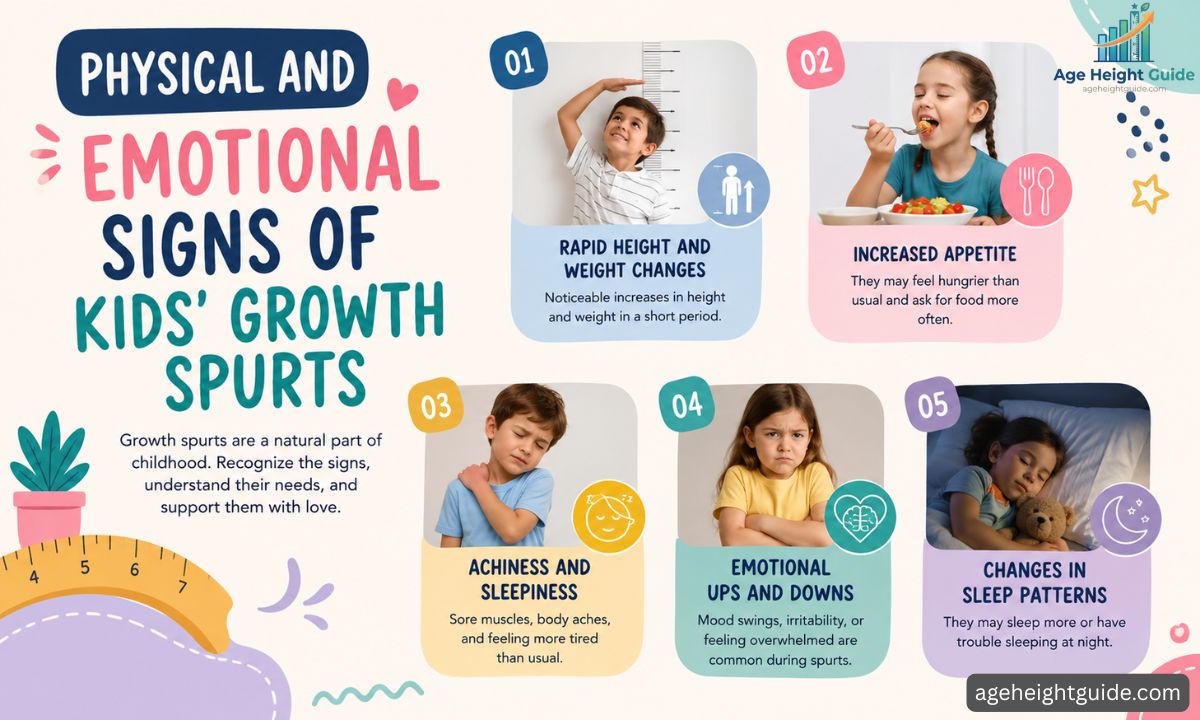
Knowing the possible signs of kids’ growth spurts can help parents understand sudden changes in appetite, sleep, energy, and clothing size. If you’re asking when do kids have growth spurts, you may also want to know what a growth spurt actually looks like in everyday life.
Keep in mind that no single symptom confirms a growth spurt. Children can eat more because they’re active, sleep longer because they’re tired, or become moody for many reasons. The most useful clue is usually a noticeable change in your child’s growth pattern over time.
Rapid Height and Weight Changes
A noticeable increase in height is one of the clearest signs of faster growth. You may suddenly realize that your child’s trousers are shorter, sleeves don’t reach as far, or their shoes no longer fit comfortably.
Weight can also change as part of normal development, although height and weight don’t always increase at the same time. Regular measurements can help parents and healthcare professionals understand whether a child’s growth rate is following a healthy pattern.
Increased Appetite
Some children seem noticeably hungrier during periods of rapid growth. They may ask for larger portions, want snacks more often, or seem ready to eat again soon after a meal.
A growing appetite can be normal, especially when a child is also active and developing normally. Instead of focusing on how much a child eats at one particular meal, offer a variety of nutrient-rich foods and allow them to respond to their hunger and fullness cues.
Achiness and Sleepiness
Some children experience mild leg aches, especially in the evening or at night. These are often called growing pains, although normal growth hasn’t been proven to directly cause them.
Children may also feel more tired during development and need enough sleep for healthy growth. However, persistent or severe pain shouldn’t automatically be blamed on a growth spurt.
Emotional Ups and Downs
Changes in mood can occur during childhood for many different reasons. A child may become more sensitive, frustrated, or irritable when they’re tired, hungry, uncomfortable, or going through other developmental changes.
Although mood changes can happen around periods of rapid development, they aren’t a reliable way to diagnose a growth spurt. Paying attention to your child’s overall behavior, sleep, appetite, and physical development gives a more complete picture.
Changes in Sleep Patterns
Children may sometimes seem to need more rest during periods of development. You might notice longer nighttime sleep, an earlier bedtime, or occasional daytime tiredness.
Because sleep supports healthy growth and development, maintaining a consistent bedtime routine is important. If your child has a major or persistent change in sleep, however, consider other possible causes rather than assuming it is simply a growth spurt.
Tips For Supporting Your Child Through Rapid Development Phases
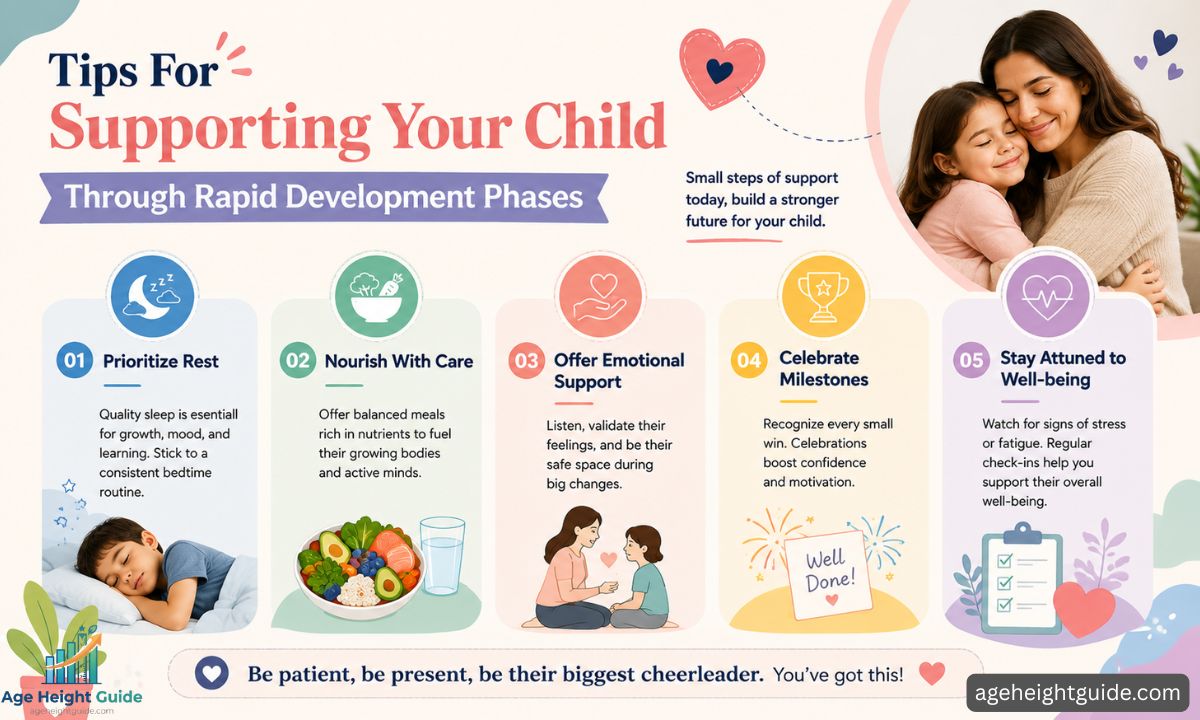
When children go through periods of rapid growth, their needs can change along with their bodies. If you’re learning when do kids have growth spurts, it’s equally important to know how you can support your child during these stages.
There is no special food, supplement, or routine that can force a child to grow faster. Instead, focus on the basics that support healthy child development: enough sleep, balanced nutrition, regular physical activity, and emotional support.
Prioritize Rest
Good sleep is essential for children’s growth, learning, mood, and overall health. Keep a consistent bedtime and wake-up routine that fits your child’s age and needs.
If your child seems more tired than usual, allow appropriate opportunities for rest. A calm bedtime routine, a comfortable sleep environment, and limiting stimulating activities before bed can make it easier to get quality sleep.
Nourish With Care
Children need a balanced diet to support healthy growth and development. During periods when your child seems hungrier, offer regular meals and nutritious snacks rather than worrying about a single day’s appetite.
Include a variety of foods that provide protein, fruits, vegetables, whole grains, dairy or suitable alternatives, vitamins, and minerals. Water should also be available throughout the day, especially when your child is physically active.
Offer Emotional Support
Physical development can sometimes come with changes in energy, confidence, or emotions. Give your child space to talk about how they feel, especially if they seem uncomfortable with changes in their body.
Simple reassurance can help. Remind them that children grow at different rates and that there is no single “right” age or size for everyone. A supportive environment can help build self-confidence during childhood and puberty.
Celebrate Milestones
Growing up happens quickly, so tracking your child’s height can be a fun way to record changes over time. A simple growth chart can help children see how much they’ve grown while turning measurements into positive family memories.
Try to keep the focus on their own progress rather than comparing their height with siblings, classmates, or friends. Every child has an individual growth pattern, and comparisons can sometimes create unnecessary worries.
Stay Attuned to Well-being
Pay attention to your child’s overall health rather than focusing only on height. Changes in appetite, sleep, energy, and physical comfort can have many causes besides a growth spurt.
If your child has persistent pain, a significant change in growth, unexplained weight changes, or other symptoms that concern you, speak with their pediatrician. A healthcare professional can review their growth chart and determine whether the pattern needs further evaluation.
What Is Growth Velocity?
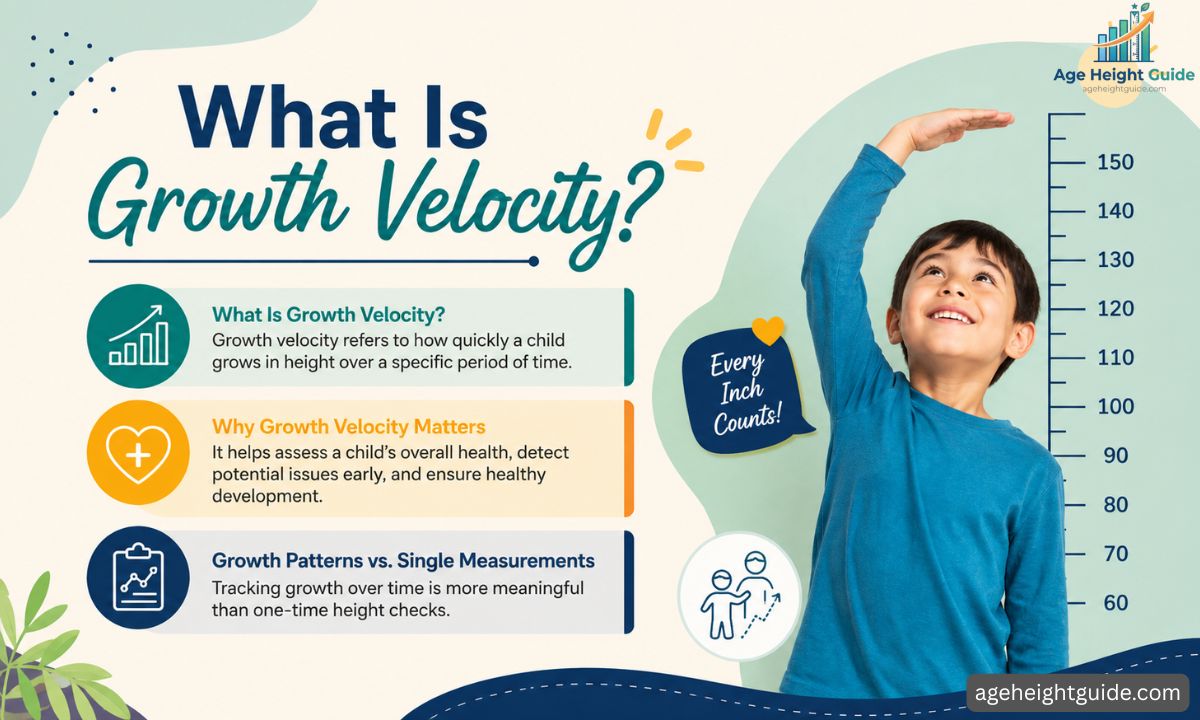
Growth velocity refers to how quickly a child grows over a specific period. If you’re wondering when do kids have growth spurts, comparing height measurements taken months apart can show whether their height growth is following a consistent pattern.
For example, one height measurement tells you how tall a child is today. Comparing it with measurements from previous months gives a clearer picture of their growth rate and overall development.
Why Growth Velocity Matters
Children don’t all grow at the same speed. One child may be taller than another but still have a completely normal growth trajectory. What matters is whether the child continues to grow consistently for their age and stage of development.
This is why parents shouldn’t rely on comparisons with siblings, classmates, or friends when asking when do kids have growth spurts. A healthcare professional can use a child’s measurements and growth chart to look at their development over time.
Growth Patterns vs. Single Measurements
A single measurement can be affected by factors such as posture, time of day, or small differences in how height is measured. Repeated measurements taken correctly over time provide a much clearer picture.
If your child’s growth pattern changes noticeably or they appear to stop growing for an extended period, it’s worth discussing those changes with their pediatrician.
Preserving The Journey: Tracking Every Inch Of Your Child’s Growth
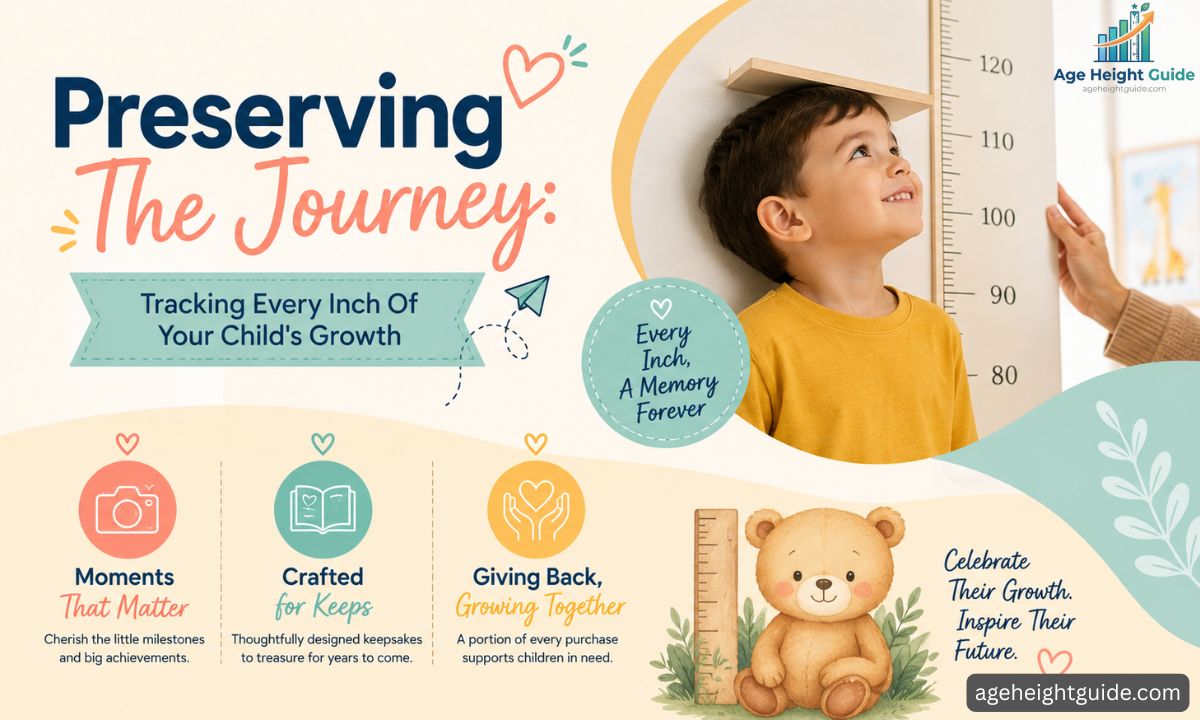
Knowing when do kids have growth spurts can make those sudden changes easier to understand, but tracking your child’s growth over time can provide an even clearer picture. A single height measurement tells you how tall your child is today; a series of measurements shows their overall growth pattern.
Growth tracking doesn’t need to become a source of pressure or comparison. Instead, it can be a simple way to record milestones and notice how your child changes throughout childhood development.
Moments That Matter
Children can change quickly. One day their favorite shoes fit perfectly, and a few months later they’re suddenly too small. Keeping a record of these changes can help you remember different stages of your child’s physical growth.
You can record height measurements at regular intervals and note important milestones alongside them. Over time, these small records can become a meaningful reminder of how your child has developed.
Crafted for Keeps
A permanent growth chart can turn height tracking into something the whole family can enjoy. Instead of marking measurements on a doorframe that may eventually be painted over or replaced, a dedicated chart gives you one consistent place to record your child’s progress.
Whether you use a wall-mounted ruler, a personalized chart, or a simple measurement record, the goal is the same: to create a lasting record of your child’s growth journey.
Giving Back, Growing Together
Tracking growth is ultimately about more than numbers. Each measurement represents another stage of your child’s life, from the early years of childhood through the major changes of puberty and adolescence.
As you learn more about when do kids have growth spurts, remember that healthy growth isn’t a race. Children develop at different rates, and their individual growth trajectory matters more than comparisons with other children. Supporting them with patience, healthy habits, and encouragement can make each stage of growing up a positive experience.
When Should You Talk to a Doctor About Your Child’s Growth?
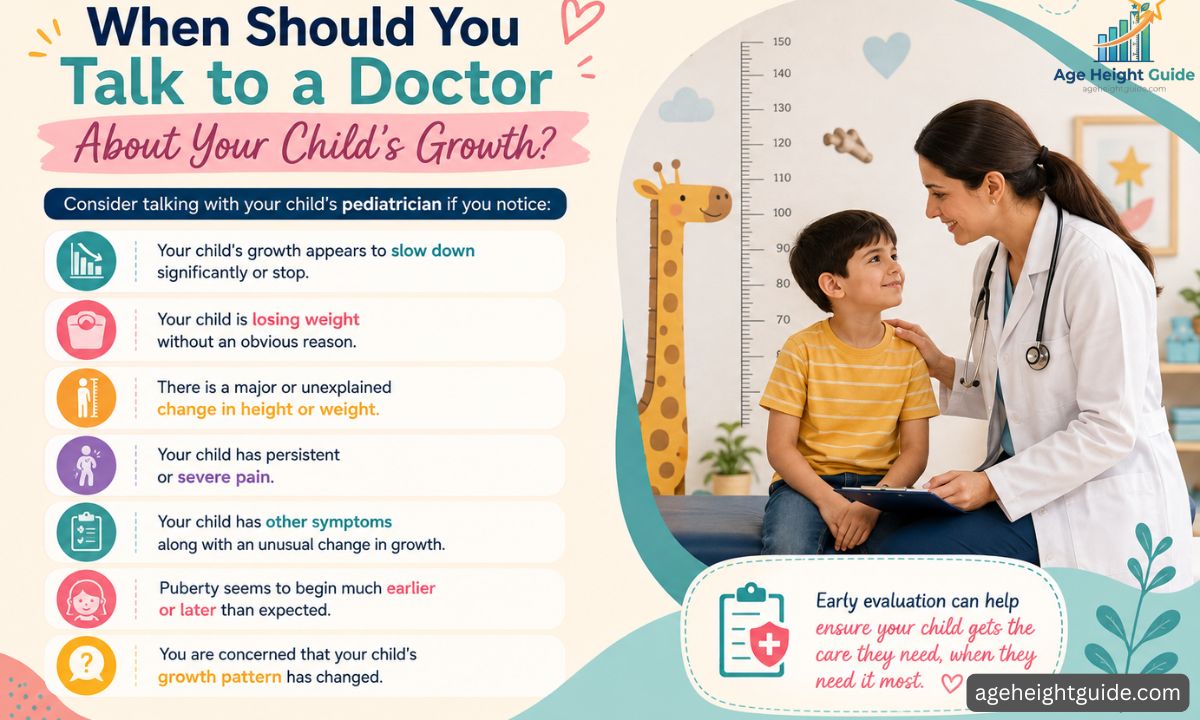
Most differences in children’s height and the timing of growth spurts are normal. However, certain changes deserve attention, particularly when they persist or occur alongside other symptoms.
Consider talking with your child’s pediatrician if you notice:
- Your child’s growth appears to slow down significantly or stop.
- Your child is losing weight without an obvious reason.
- There is a major or unexplained change in height or weight.
- Your child has persistent or severe pain.
- Your child has other symptoms along with an unusual change in growth.
- Puberty seems to begin much earlier or later than expected.
- You are concerned that your child’s growth pattern has changed.
A doctor can review your child’s previous measurements, medical history, family growth patterns, and growth chart. If necessary, they can determine whether additional evaluation is appropriate.
Remember that children don’t all reach developmental milestones at the same age. A difference from another child doesn’t automatically mean there is a problem. Looking at the child’s overall growth trajectory is usually more helpful than focusing on one measurement.
| Situation | What Parents Can Do |
| Child is growing steadily | Continue routine health checkups and normal growth tracking |
| Clothes suddenly become small | Measure height periodically and record the change |
| Appetite increases temporarily | Offer balanced meals and nutritious snacks |
| Child seems more tired occasionally | Maintain a healthy sleep routine |
| Growth appears to slow significantly | Discuss the change with a pediatrician |
| Persistent or severe pain occurs | Contact a healthcare professional |
| Unexplained weight loss or major growth change | Seek medical advice |
| Puberty seems unusually early or delayed | Discuss concerns with a pediatrician |
Final Thoughts
So, when do kids have growth spurts? Children grow throughout childhood, but the fastest periods of growth usually occur during infancy and puberty. The exact timing varies from child to child, so there isn’t one age when every child suddenly grows taller.
You may notice increased appetite, changes in sleep, outgrown clothes, or noticeable height changes. These signs alone don’t confirm a growth spurt. If you’re wondering when do kids have growth spurts, tracking your child’s growth pattern over time gives a clearer picture.
Support healthy growth with enough sleep, nutritious food, physical activity, emotional support, and routine healthcare. If you notice major changes in growth or development, speak with a pediatrician.
Every child grows at their own pace. The goal is to support healthy growth and development, not make your child grow faster.
Frequently Asked Questions: When Do Kids Have Growth Spurts?
How long do growth spurts last in kids?
There isn’t one fixed length for a growth spurt. The timing and rate of growth vary from child to child and depend on the stage of development. Instead of expecting every growth spurt to last a certain number of days, it’s more useful to look at your child’s height and growth pattern over several months.
Can growth spurts cause pain in kids?
Some children experience leg aches that are commonly called growing pains, but these aren’t necessarily caused by bones growing faster. Mild, occasional aches can occur in childhood, but severe, persistent, one-sided, or swollen areas of pain should be discussed with a pediatrician rather than automatically being blamed on a growth spurt.
At what ages do most growth spurts happen?
If you’re wondering when do kids have growth spurts, the fastest periods of growth generally occur during infancy and puberty. Children also continue growing throughout early and middle childhood, usually at a more steady rate. The timing of the major puberty growth spurt varies, with girls generally starting earlier than boys.
How can I tell if my child is experiencing a growth spurt?
Possible signs include noticeable changes in height, clothes or shoes becoming too small, increased appetite, changes in sleep, and occasional aches. However, these signs alone don’t confirm a growth spurt. Tracking your child’s height over time provides a better indication of their individual growth pattern.
Do boys and girls have growth spurts at the same ages?
Not usually. Girls generally begin puberty and their major growth spurt earlier than boys, although there is considerable variation among children. The timing depends on when puberty begins, so age ranges should be treated as general guidelines rather than strict deadlines.
Is it normal for growth spurts to affect behavior?
A child may seem more tired, hungry, sensitive, or irritable during periods of rapid development, but these changes aren’t specific signs of a growth spurt. Sleep, school, stress, physical activity, and other factors can also affect behavior. Look at the overall picture of your child’s health and development rather than assuming every mood change is related to growth.
Do Kids Eat More During Growth Spurts?
Some children may have an increased appetite during periods of rapid growth, especially when they are also physically active. However, hunger can change for many reasons, so increased appetite by itself doesn’t prove that a growth spurt is happening.
Do Kids Sleep More During Growth Spurts?
Some children may seem more tired or sleep longer during periods of development, but sleep changes don’t necessarily mean a growth spurt is happening.
Adequate sleep is important for children’s growth, learning, mood, and overall health. Maintaining a consistent sleep routine can support healthy development regardless of whether your child is currently experiencing faster growth.

Stoke is the author behind Age Height Guide, creating simple and informative content about average height, age, growth, and related measurements.